
How to Find Your Child’s Learning Style (5 Clues)
Visual, auditory, and kinesthetic learning styles describe common ways children may engage with information. To discover your child’s learning style, observe how they choose to read, listen, move, practice, and explain ideas. Use these patterns as helpful clues—not fixed labels—and adapt instruction so learning feels clearer, more active, and more successful.
What Are the Three Main Learning Styles?
Children learn through all of their senses, but many show preferences in how they take in and remember information. The three commonly discussed learning styles are visual, auditory, and kinesthetic.
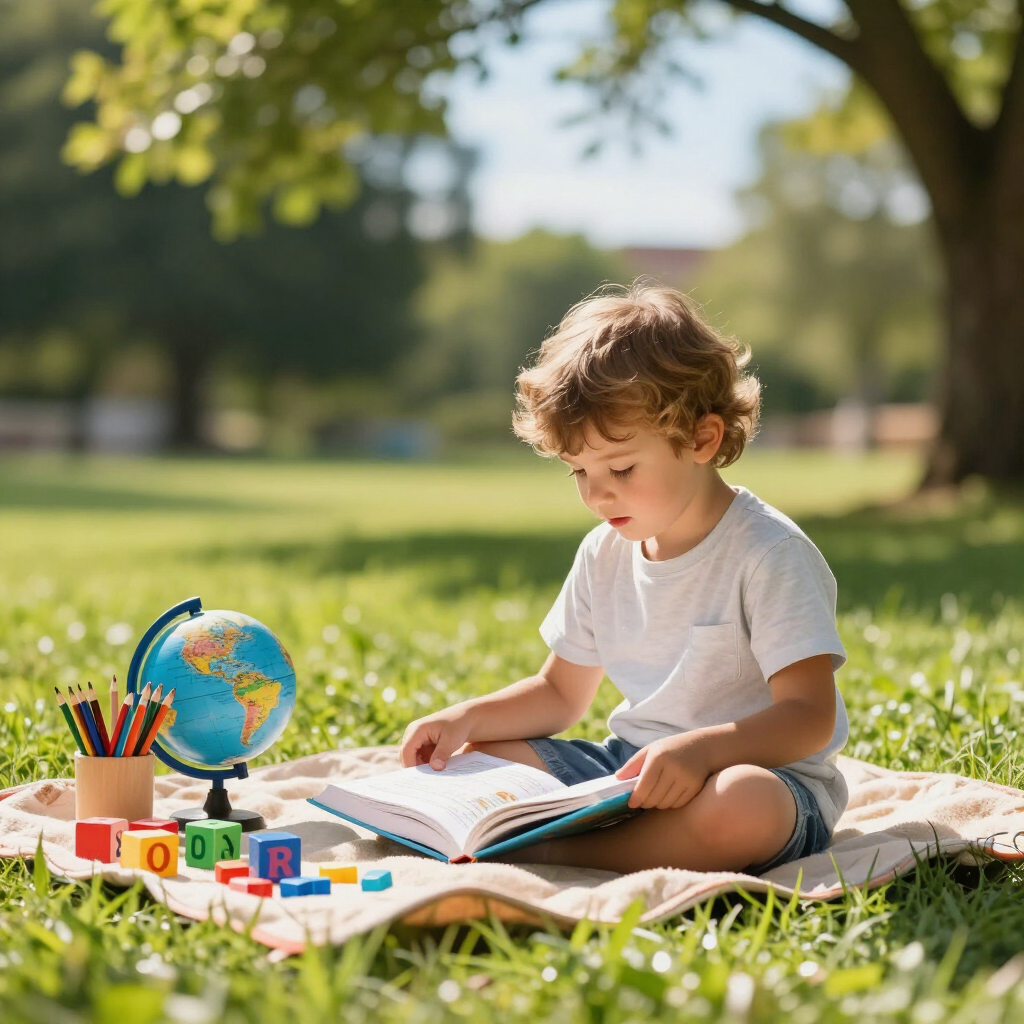
- Visual learners often understand ideas best when they can see pictures, diagrams, written directions, color, or demonstrations.
- Auditory learners may remember information after hearing it explained, discussing it, or saying it aloud.
- Kinesthetic learners often learn through movement, hands-on materials, practice, experiments, and real-world experiences.
These categories are useful starting points, not permanent identities. A child may prefer visual support for reading, auditory discussion for social studies, and hands-on practice for math. Preferences can also change with age, confidence, subject, and the complexity of the material.
How Can You Identify Your Child’s Learning Style?
The best approach is to observe your child during ordinary learning activities. Look for repeated patterns rather than relying on one behavior or a single informal quiz.
1. Notice How Your Child Chooses to Read
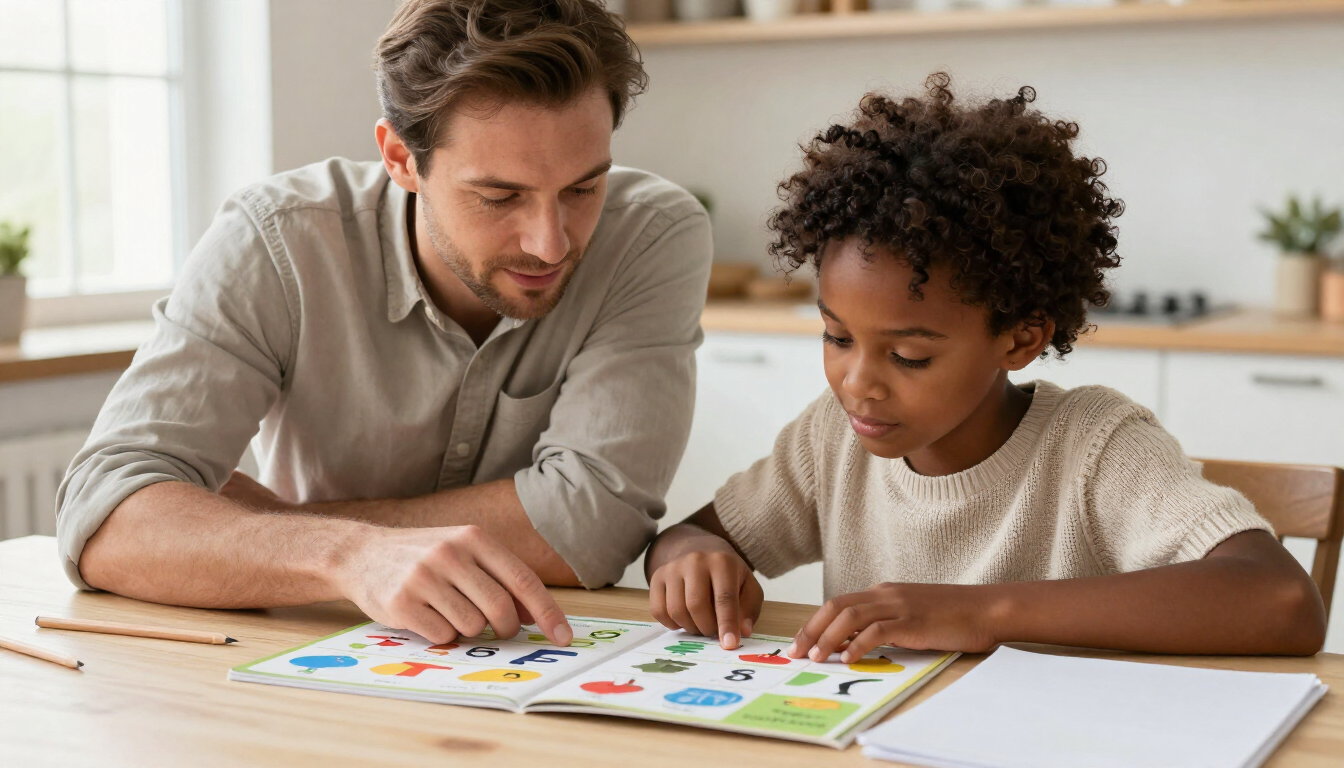
Does your child reach for illustrations, maps, highlighted notes, or written examples? A child who frequently asks to see how something works may respond well to visual learning supports.
Visual learners may benefit from:
- Graphic organizers and mind maps
- Diagrams, timelines, and pictures
- Color-coded notes
- Written instructions paired with demonstrations
- Flashcards or illustrated vocabulary
A preschool child may show this preference by studying picture books, matching shapes, or remembering where objects are located. An older student may naturally organize notes with headings, symbols, or color.
2. Listen to How Your Child Talks Through Ideas
Some children understand a concept more fully after a conversation. They may ask many questions, repeat directions aloud, enjoy stories, or explain an answer before writing it down. These can be signs that auditory input supports their thinking.
Try reading directions aloud, using rhythm or songs, and inviting your child to teach the idea back to you. Short discussions can also help children connect new information to what they already know.
3. Watch for Movement and Hands-On Exploration
Does your child tap, build, sort, act out, draw in the air, or walk around while thinking? Movement does not automatically mean a child is distracted. For some learners, physical activity helps organize attention and memory.
Kinesthetic learners may respond well to:
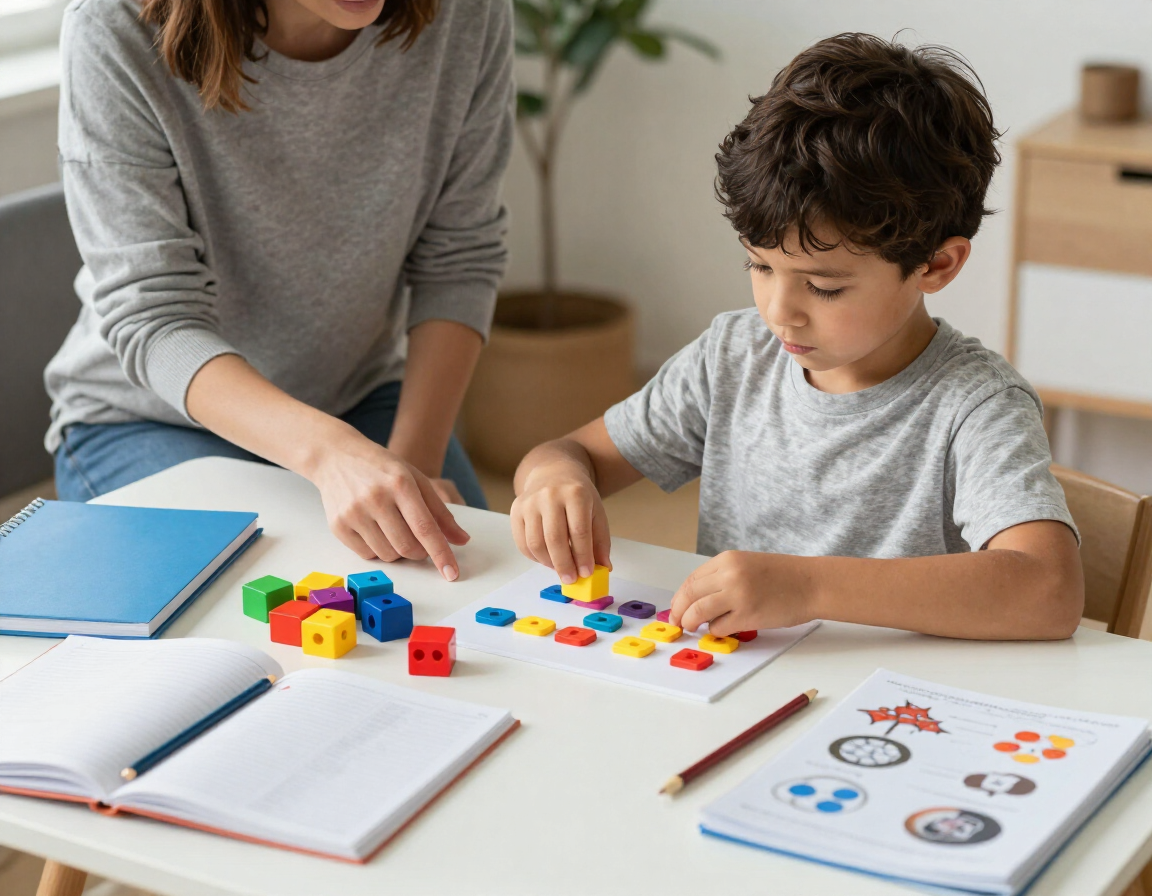
- Counters, blocks, puzzles, and manipulatives
- Science experiments and real-life projects
- Role-play and educational games
- Writing letters in sand or forming them with clay
- Short movement breaks between tasks
For preschool and early elementary learners, play-based learning can make abstract ideas easier to understand. A math lesson might involve measuring ingredients, counting toys, or sorting household objects.
Five Practical Clues to Watch For
Learning style clues are easiest to recognize when you compare your child’s response to different approaches. Try presenting the same concept in several ways, then observe which method helps your child begin, persist, and explain the idea.
- Preferred instructions: Does your child ask to see directions, hear them, or try immediately?
- Memory patterns: Does your child remember images, spoken details, or actions and experiences?
- Study habits: Does your child draw, talk, move, build, or rewrite information?
- Response to mistakes: Does a demonstration, conversation, or another attempt provide the most helpful correction?
- Engagement: Which activities lead to longer focus and greater confidence?
Keep observations brief and specific. Instead of writing, “My child is a kinesthetic learner,” note, “She understood fractions after cutting a sandwich into equal parts.” Concrete examples make it easier to choose effective instructional strategies.
Why Can a One-Size-Fits-All Classroom Miss the Mark?
A classroom must serve many students at once. Teachers work hard to balance direct instruction, discussion, independent practice, technology, group work, and assessment. Even so, one lesson format may not provide every child with the explanation, pacing, repetition, or practice they need.
A child may understand a concept but struggle to show it under timed conditions. Another may need additional examples before participating in a group discussion. Some students require enrichment because the standard assignment is not challenging enough, while others need targeted support to build missing foundations.
This is why identifying a child’s learning preferences should be combined with academic observation. Learning style is only one part of the picture. Reading level, working memory, attention, language development, prior knowledge, motivation, and emotional safety also affect progress.
For more context about individualized instruction, explore the Learning Approach and Assessment Tools pages.
How Should Parents Use Learning Style Information?
Use learning-style observations to expand your child’s options, not to limit them. A visual preference should not mean a child never practices listening. An active learner still needs opportunities to read, write, and reflect quietly.
A balanced lesson can include multiple pathways:
- Introduce a topic with a picture, model, or short demonstration.
- Explain the idea using clear, age-appropriate language.
- Let your child discuss, draw, build, practice, or apply it.
- Ask your child to explain the concept in a new way.
- Review the skill later using a different format.
This flexible approach is especially helpful when a child dislikes a subject. Changing how the material is presented may reduce frustration and reveal that the difficulty is connected to access, pacing, or confidence rather than ability.
When Is Customized Tutoring Helpful?
Customized tutoring can help when a child needs instruction that is more targeted, flexible, or individualized than a busy classroom can provide. It may be useful if your child is experiencing any of these situations:
- Persistent frustration with a particular subject
- Difficulty following classroom directions or completing work
- A need for enrichment beyond grade-level assignments
- Gaps in reading, math, writing, science, or social studies
- Low confidence after repeated academic struggles
- A transition between schools, grades, or learning environments
A diagnostic assessment can help identify what a child knows, where support is needed, and which explanations encourage progress. From there, lessons can combine explicit teaching, guided practice, review, enrichment, and study strategies.
One-to-one virtual tutoring can also offer a comfortable home environment and a pace suited to the student. Visit Tutoring Services to learn more about customized academic support, or see the Parent Resources page for additional guidance.
Questions Parents Often Ask
Is one learning style better than another?
No. Visual, auditory, and kinesthetic preferences are not rankings of ability. Children can succeed through many approaches, and effective instruction often combines several formats.
Can a child have more than one learning style?
Yes. Most children use a blend of approaches. Preferences may also vary by subject, task, age, energy level, and familiarity with the material.
Should parents use an online learning-style quiz?
A quiz may provide conversation starters, but it should not determine your child’s education. Direct observation, work samples, academic assessments, and teacher feedback provide more useful information.
What if my child does not show a clear preference?
That is completely normal. Continue offering varied experiences and focus on which explanations, practice methods, and supports improve understanding and independence.
Key Takeaways for Supporting Your Child
Discovering your child’s learning style begins with careful observation. Look at how your child responds to seeing, hearing, moving, practicing, and explaining information. Use those clues to vary instruction rather than placing your child in a fixed category. If progress remains difficult, combine learning-style observations with academic assessment and individualized support. The next step is simple: choose one upcoming lesson, present it visually, verbally, and hands-on, then note which combination improves focus and understanding. With flexible teaching and encouragement, children can build both subject knowledge and the confidence to learn independently.